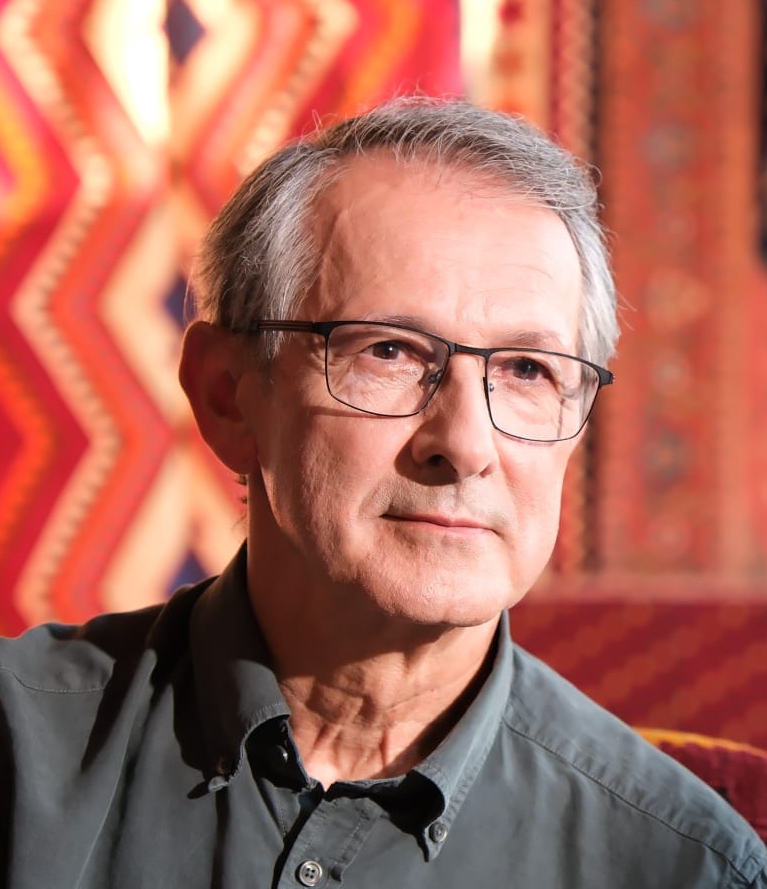
Ali Riza Tuna
Researcher & Collector
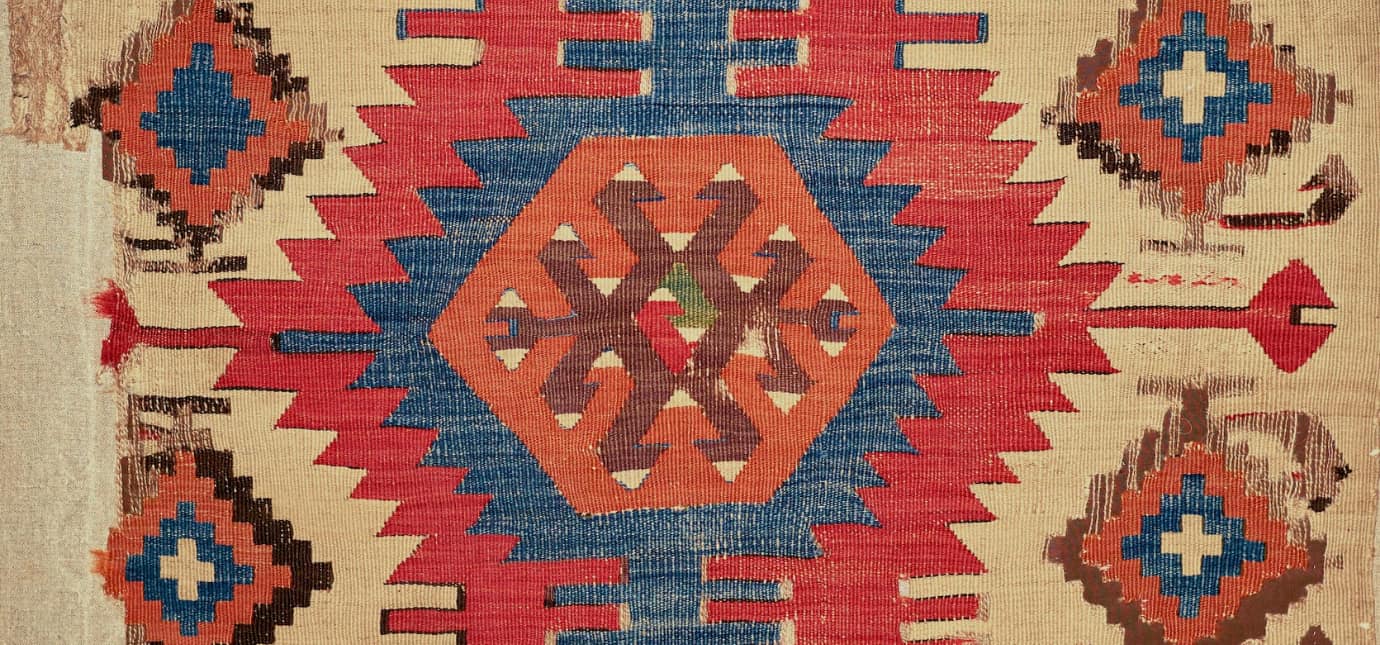
For over four decades, Ali Riza Tuna has been passionate about uncovering the hidden narratives of early Anatolian textiles. An independent researcher and enthusiastic collector, he bridges the gap between archaeology, art history, and anthropology in the study of Anatolian carpets and flatweaves. His groundbreaking project, ‘The Kilim as an Image,’ challenges traditional paradigms, revealing the deep cultural and aesthetic significance of Anatolian flatweaves. Through his lectures and publications, Tuna invites the world to see kilims not just as ethnographic artifacts, but as the living symbols of a rich iconographic tradition that has developed from earlier myths of mankind.
He was born in Istanbul and received his engineering degree in France. He is a retired manager of an international company and lives in Geneva, Switzerland.
Since 1980, he has been collecting Anatolian textiles as well as being an independent researcher and lecturer on the topic. He has given many talks, presented papers at several international conferences and seminars and loaned pieces from his collection to exhibitions in German and Turkish museums. He is currently a member of the Academic Committee of the International Conference on Oriental carpets (ICOC).
Key Projects and Conservation Efforts
Seljuk Rugs Conservation: Mr. Tuna led a project (spanning roughly 2018–2024) to sponsor and renew the conservation of two important Seljuk rug fragments in the Turkish and Islamic Arts Museum (TIEM) in Istanbul. This project involved collaboration with experts from the Berliner Museum für Islamische Kunst to ensure the preservation of these 13th-century carpets.
Reconstruction Project: Mr. Tuna supported high-quality carpet crafts in Türkiye through a project (“Back to the Future,” active since 2007) that reconstructs and re-weaves lost designs from Anatolian carpets depicted in Renaissance paintings.
Mr. Tuna continues his research and he frequently lectures on the aesthetics and design development of Turkish rugs and kilims of historical and artistic importance as well as their relationships with other art forms.
Meet the Author
Through excerpts from some lectures and projects on the section below
You can fill out the form to cooperate with an exhibition or seminar, lectures.